Write Content Briefs From the SERP
Build a brief for each piece by studying what already ranks. A brief is a one page plan you write before the article. It works whether you write the piece yourself or hand it to someone else.
This lesson has a paid link. We earn a commission if you buy through it, at no extra cost to you. Every step still works with the free tools. How we handle paid links.
✓ How To Do It
- Search the target keyword and open the top 5 results.
- Note the common sections, questions, and word count. Also note the page type, like guide, list or service page.
- List 'People also ask' questions to answer.
- If an AI Overview appears, note what it says and which pages it cites. Plan to cover that ground more clearly.
- Write down what you can add that they can't, like your own prices, photos, job numbers or a mistake you've seen.
- Write the brief with a title, headings, key points, and target keyword. Add the internal links it should carry.
Paste your SERP notes into Claude and ask for a brief with headings, questions and a target keyword. Check every fact before you publish.
Try ClaudePaid link. We earn a commission if you buy through it. It costs you nothing extra.
Not needed to finish this step. Every step works with the free tools above.
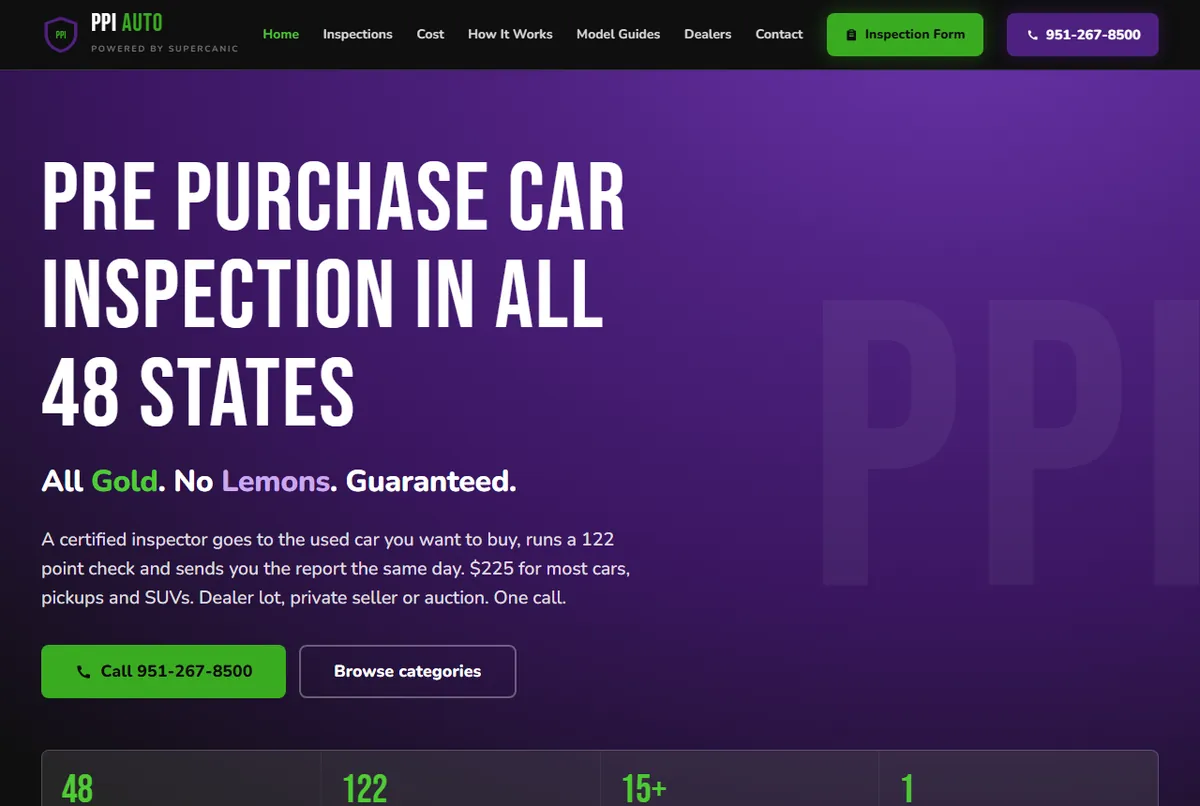
PPI Auto's F-150 buyer's guide answers what a used truck shopper actually searches, such as what to check on a 2021 to 2024 model. Build each brief around the buyer's questions. Then one brief can give you a page, a short video and a set of FAQ answers.

- Don't copy a competitor's outline line for line. Use it to see what's expected, then beat it with what you know.
- Keep each brief to one page. If it takes longer to read than the article takes to write, it's too long.
- Name the money page in the brief, so the writer knows where the reader should go next.
Email Me The Free Course
Get your course link in your inbox so you can pick it up on any device. It's free, with no card.